


Granny Flats in the Illawarra
With 42+ years of real building experience, Taddeo Constructions delivers structurally sound homes, renovations and extensions across the Illawarra with honest advice and direct communication from the builders themselves.
Flexible Living Solutions at Home
Granny flats have become a popular way for homeowners to create extra living space without moving or undertaking a full home rebuild. Taddeo Constructions designs and builds practical secondary dwellings across the Illawarra that provide comfort, privacy and long-term value. As experienced granny flat builders in the Illawarra, the team focuses on efficient layouts, strong structural construction and thoughtful designs that make the most of available space. Whether the goal is to accommodate family members, create a guest retreat or add a rental opportunity, a well-built granny flat can provide a flexible and practical solution.
When planning a granny flat, homeowners often look for designs that maximise both space and functionality.
- Smart layouts that make smaller spaces feel open and comfortable
- Durable construction designed for long-term use
Building a granny flat requires careful consideration of site access, local regulations and structural requirements. By focusing on practical planning and solid construction methods, the finished space can integrate naturally with the existing property while remaining comfortable and functional. From concept through to completion, the process is guided by clear communication and experienced building knowledge. If you’re considering adding a granny flat to your property in the Illawarra, call 0412 426 742 to discuss your plans today.
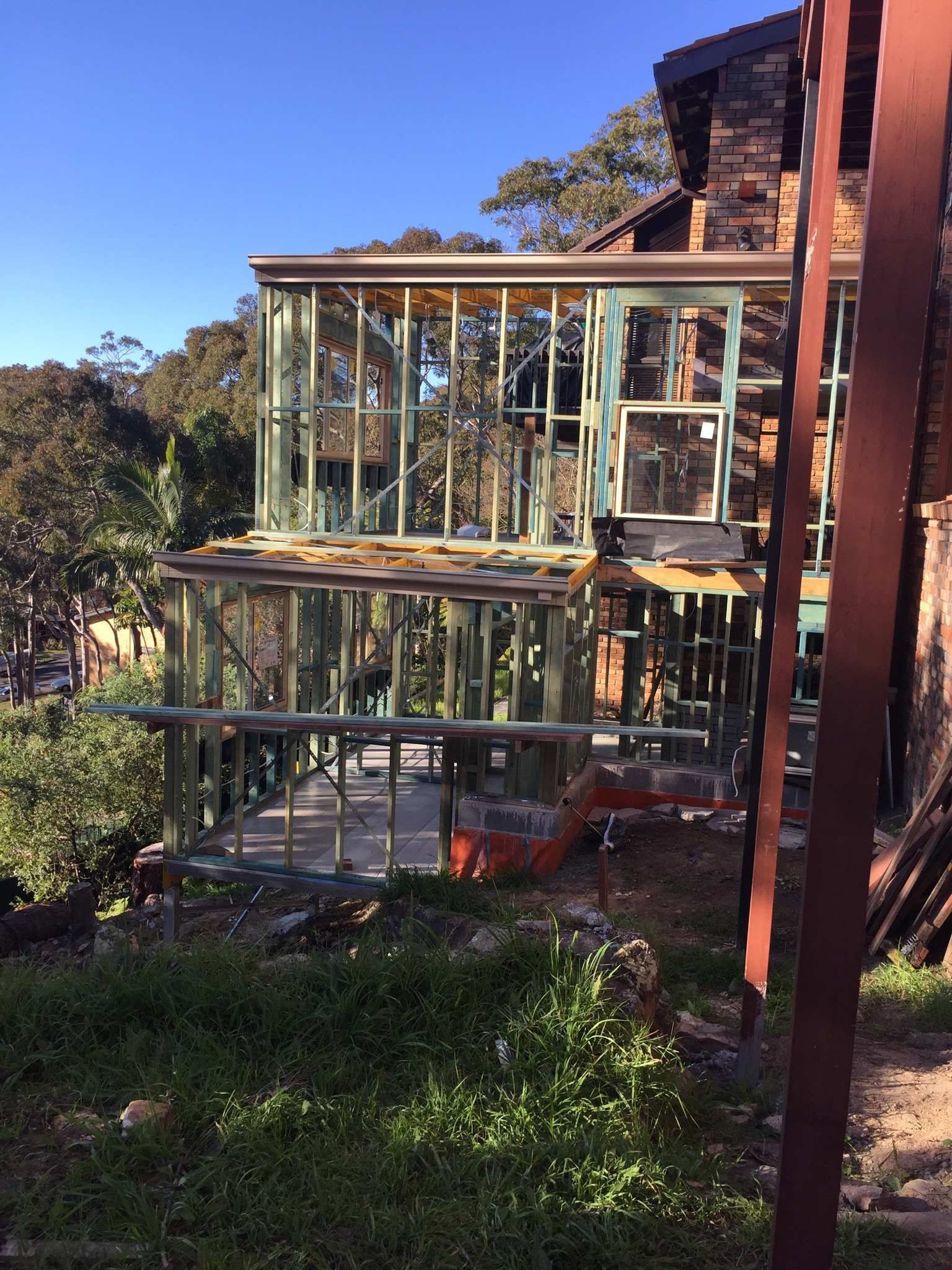
Smart Secondary Dwelling Design
A well-designed granny flat can provide valuable additional living space while maintaining privacy and comfort. These secondary dwellings are commonly used to accommodate extended family, create independent living arrangements or generate rental income. Thoughtful design helps maximise natural light, storage and usable space while ensuring the structure fits naturally within the existing property. Attention to building standards and structural integrity ensures the finished dwelling remains safe, durable and comfortable over time.
If you're exploring the idea of adding a granny flat to your property, learn more about the available services or reach out to start planning your project.
Space-Efficient Designs
Practical Build Solutions
Durable Construction Focus
FAQ
What are common uses for a granny flat?
Granny flats can serve a variety of purposes depending on the needs of the property owner. They are often used to accommodate extended family members, such as elderly parents or adult children who need independent living space.
Some homeowners also use granny flats as guest accommodation or as a separate home office. In certain cases, they may be used as rental properties, providing an additional source of income while maximising the value of the property.
What factors influence where a granny flat can be built?
The location of a granny flat on a property depends on several factors, including available land space, access to utilities and local council regulations. Site slope, drainage and access for construction may also influence the design and placement.
Planning considerations often include privacy, natural light and how the structure will integrate with the main dwelling. Careful site assessment helps ensure the granny flat functions well within the existing property layout.
What should be considered before planning a granny flat?
Before planning a granny flat, homeowners should consider the intended purpose of the space and how it will be used over time. Site conditions, council requirements and access to services such as water and electricity may influence design options.
It’s also helpful to consider privacy between the main home and the secondary dwelling. Careful planning helps ensure the final design meets both practical needs and local building regulations.
